UV-C System Study
UV-C light disinfection System.
Ideation, Concept, Engineering, Testing, Prototyping, Branding and Marketing
Challenge.
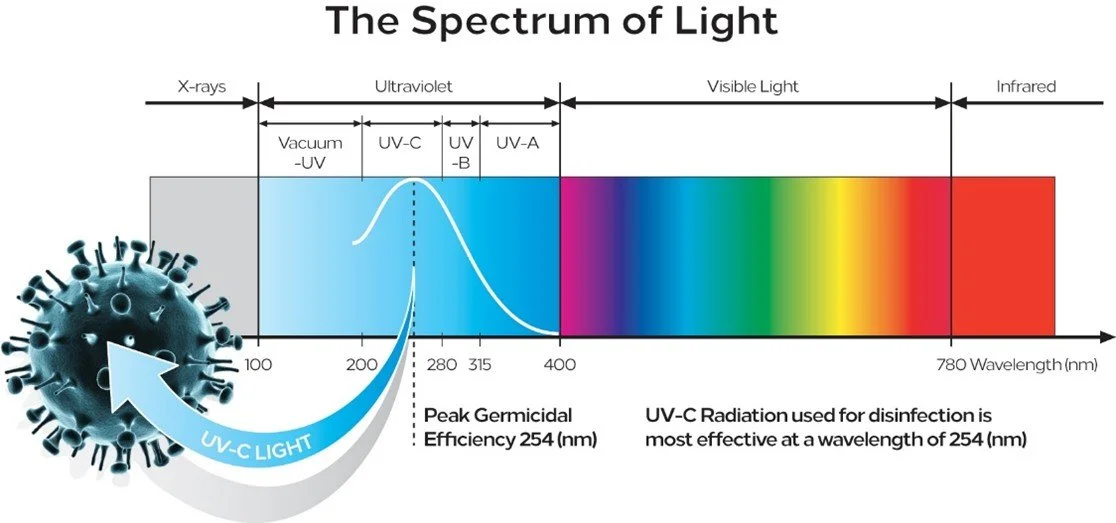
The project ideation was to design and engineer a UV-C light disinfection system to disinfect surrounding surfaces, eliminating airborne contaminants from spreading, such as Coronavirus. The system is required to have intelligent movement, differentiating it from static UV-C light disinfection systems, for more thorough and comprehensive disinfection results.
Approach.
Swift TG Solutions initially developed conceptual plans for a rotating array of lights on a vertical axis. Our studies showed that the static array of lights had ‘dead-zones’ where there was lower distribution of UV-C rays. The rotation of the light array eliminated these areas of lower distribution, resulting in completely even and thorough coverage.
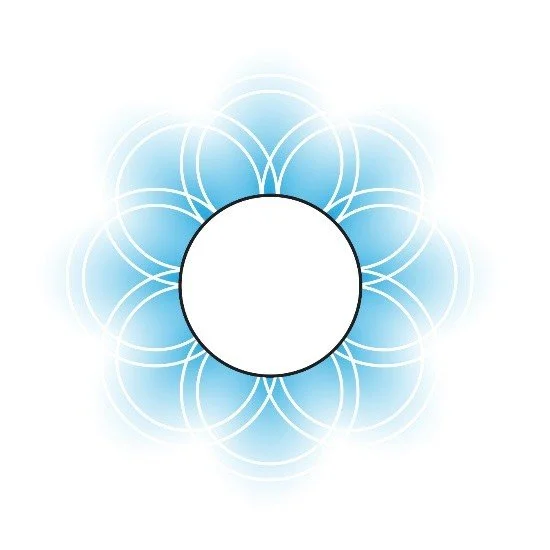
Figure 1 - Static Model. Lower Distribution
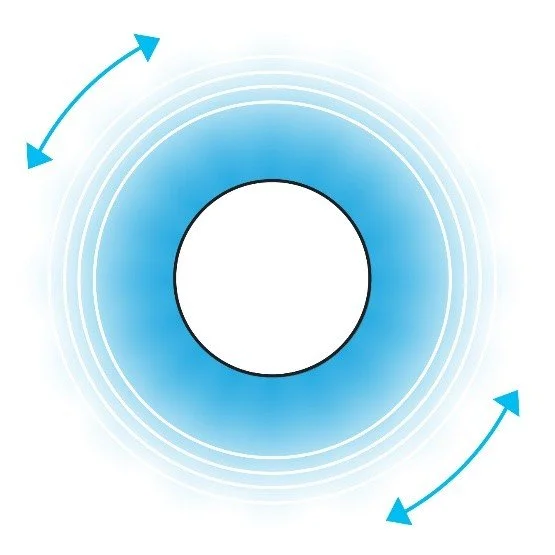
Figure 2 - Rotating Model. Total Distribution
Process.
After researching exiting units and their limitations, we then started to consider how the design could safely and automatically disinfect the largest possible number of surfaces within a typical office/medical room environment. We found that there was a requirement for the light array to cover a larger vertical area, both below and above desk height, as well as tracking horizontally, effectively moving the UV-C light around objects, resulting in a much higher coverage and a much more thorough and efficient disinfection.
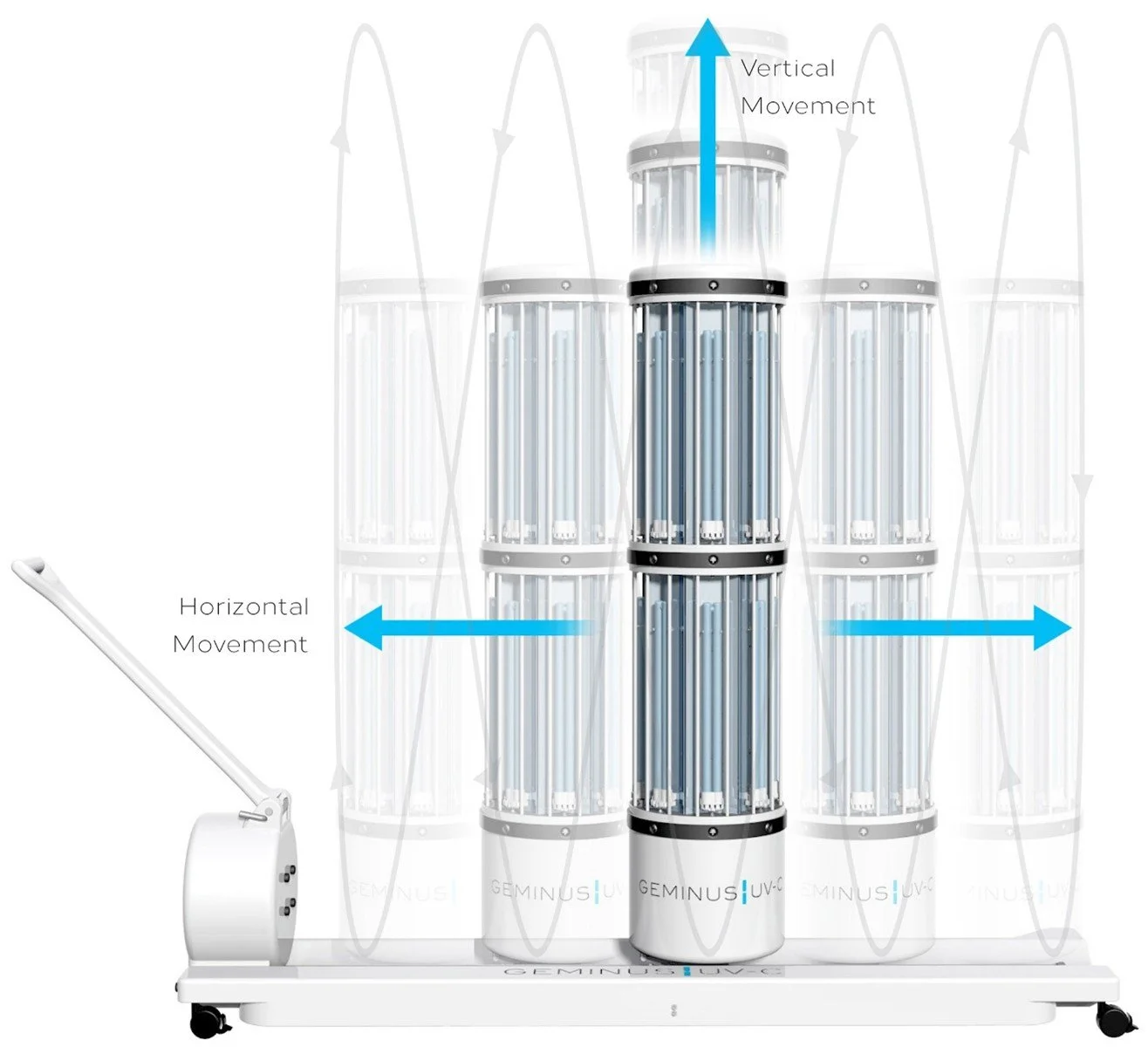
Swift TG Solutions engineered a track-based system which cycled back and forth horizontally over a 150cm distance. During this repeating motion, the rotating array of lights raised and lowered 50cm. This resulted in an extremely high distribution of disinfecting UV-C light.
FEA processing and testing of materials followed, indicating optimal motor power with the minimum weight. A Prototype was engineered to test the motion system and light distribution, which was precisely as simulated. An electronic control system and circuit board was developed to control functionality and timing.
Validation and Delivery.
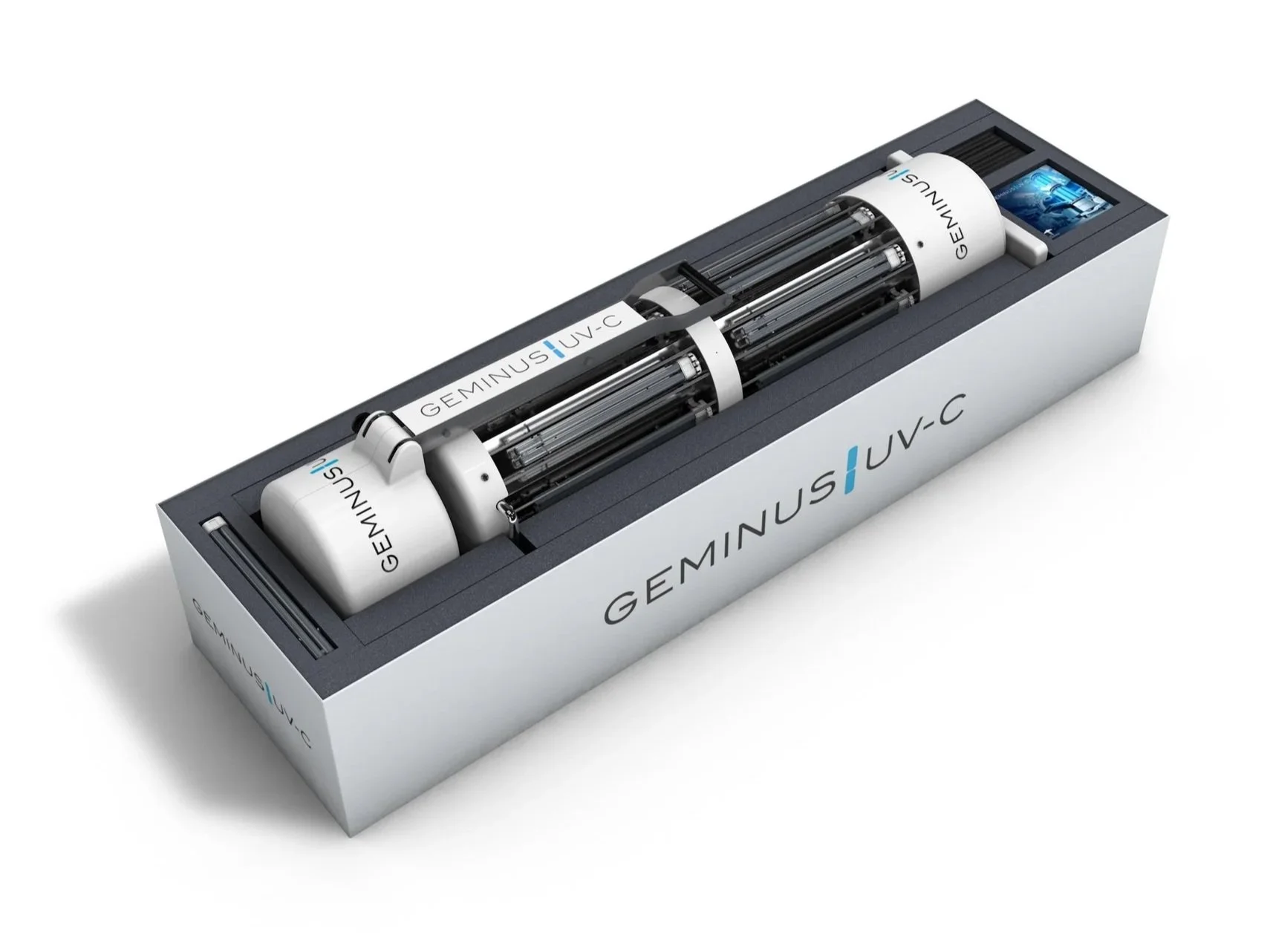
Swift TG Solutions produced a physical test model, programmed to reproduce the same motion as the study model, proving the system worked precisely as expected. Work then went into weight reduction, storage, mobility and safety to ensure the UV-C System could go to market.
Our design and marketing team created a logo, marketing materials, website and promotional images of the system, as well as assisting the engineers with the packaging design.
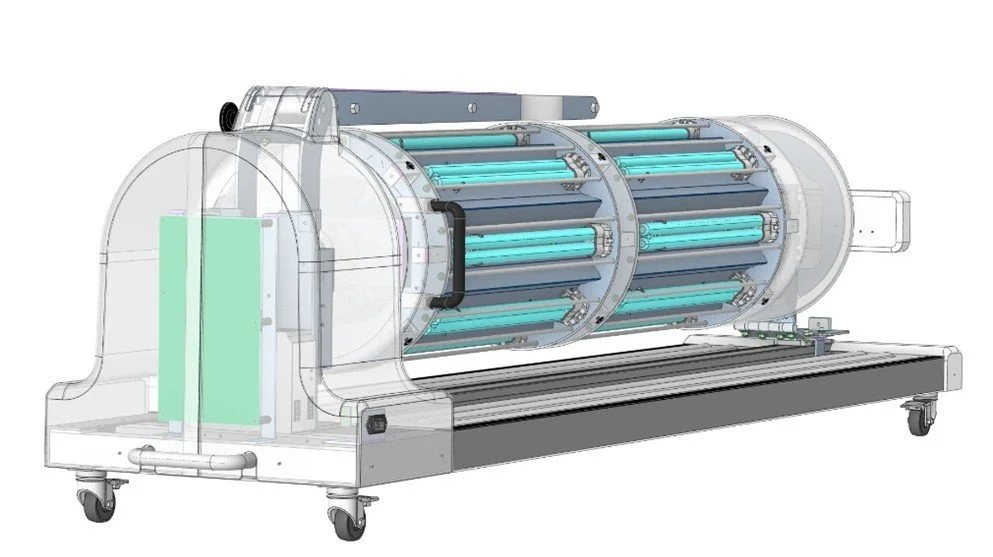
Figure 3 - Swift TG Solutions designed a fold-away function for storage

Results.
The GEMINUS UV-C system, created under the Swift Caduceus banner, was ready to go to market, however the demand for this system ebbed away as the world recovered from the threat of the Coronavirus pandemic, and corporations started to recover financially.
The GEMINUS UV-C system remains a strong design, ready to be deployed and sold to market such if the need arises. The project remains on hold, and while the design and engineering involved was a huge success, Swift TG Solutions is happy that there is currently no longer an urgent necessity for the system.
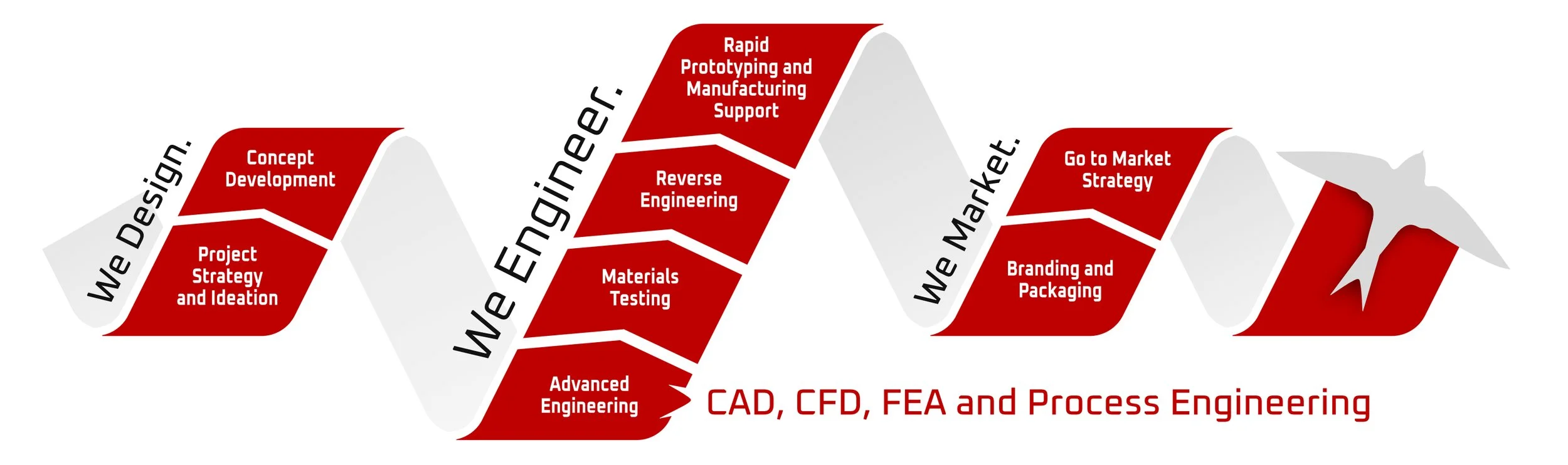
The Geminus UV-C system is a great example of how our whole process works from start to finish. Every aspect of our design, engineering and marketing process was utilised.
“It was a pleasure to work on a design that could save lives and improve the safety of key workers and patients during the very testing times of a global pandemic.”